
By Helen Ledwick
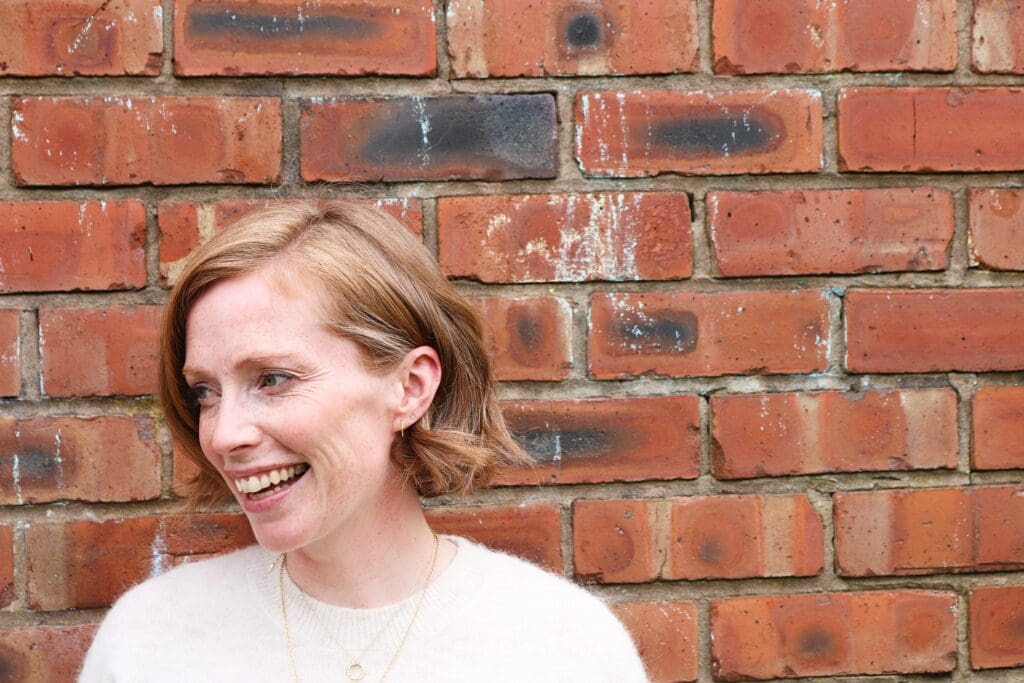
It’s March 2015, two weeks after the birth of my son, and I’m sitting half-naked on the bedroom floor with a mirror in one hand and a phone in the other. I can see something isn’t right but I’m not sure what. So I’m Googling. And my heart is pounding, because I know this won’t be good. And then I come across a term I’ve never seen before — pelvic organ prolapse.
I had no idea then what it was, what it meant, or the rollercoaster journey it would take me on.
Pelvic organ prolapse is when your womb, bladder or bowel slip out of position and bulge into the vagina. It happens when the muscles and tissues of your pelvic floor are weakened or damaged and can no longer support the pelvic organs. Symptoms can include a heavy feeling in the pelvis, incontinence and pelvic pain.
It’s hard to get a clear picture of how many people are affected, but it’s surprisingly common, with around 1 in 12 women reporting symptoms. And while it’s not life-threatening, it can seriously impact your quality of life.
When I realised I had a prolapse, I really struggled. I had the constant discomfort of a vaginal bulge; periods were a mission because neither tampons nor menstrual cups would stay in; and toileting was a challenge — I couldn’t always empty my bowels fully. I felt uncomfortable, ashamed and isolated, and I couldn’t find any decent information or support. I got lost in online rabbit holes trying to figure out what had happened, what it meant and what, if anything, I could do about it.
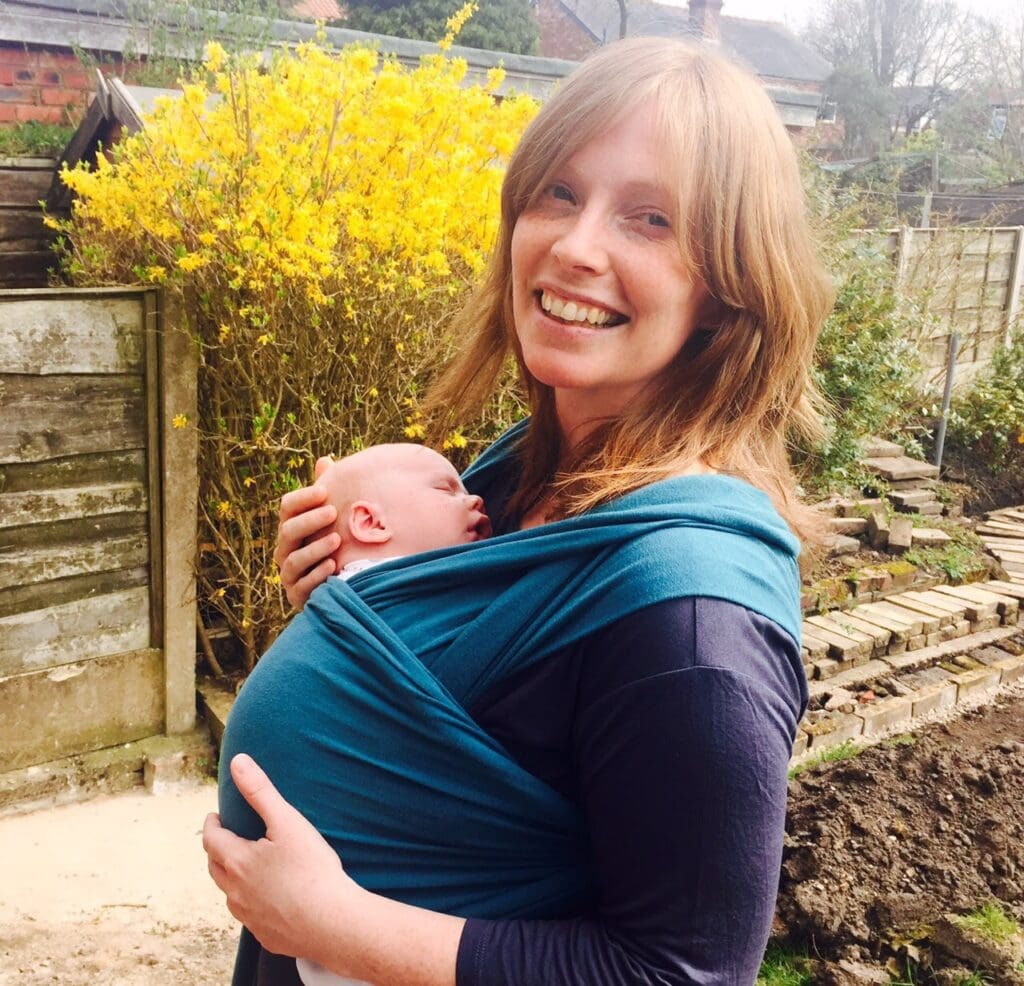
Then there were the lifestyle constraints. The medical advice was to avoid things that put pressure on your pelvic floor — running, jumping, lifting. Not so easy when you’re lugging around a newborn and a toddler. It made me anxious about every action: If I do this, will it make things worse? Never mind running a marathon or climbing a mountain — what about pushing a buggy, lifting a toddler, doing your job, living your life?
For the next three years, my prolapse was a limiter on life that made me think twice about almost everything I did. I was grieving for the person I was, and the mum I believed I would never be. On some level, I blamed myself: for not preparing well enough for birth, for not looking after myself afterwards, for taking my body for granted. I hid it well, but I felt broken and alone. Then, something happened that changed everything.
In May 2018, I got talking to another mum at the Trafford Centre (of all places) — a Vegas-style shopping mall on the outskirts of Manchester. She was on her way to a trampoline park with her kids, which was how we both came to share our prolapse stories. It was just a passing conversation, but it helped me believe this was a discussion it was possible to have. Maybe I didn’t need to be embarrassed. Maybe I shouldn’t feel ashamed
What I thought was my unique struggle was being experienced by countless others at the same time, in the same way. It was validating — liberating, even. I felt like I could breathe again.
A few months later, I did something completely out of character — I shared my story on Instagram. And before I knew it, other women were sharing theirs. What I thought was my unique struggle was being experienced by countless others at the same time, in the same way. It was validating — liberating, even. I felt like I could breathe again. But then, as the relief settled in, I started to feel something else: I was angry. Because here we were, having hushed conversations online, hiding away and blaming ourselves, even though this had happened through no fault of our own. I decided to try to change things — to end the taboo around pelvic floor dysfunction, especially after childbirth.
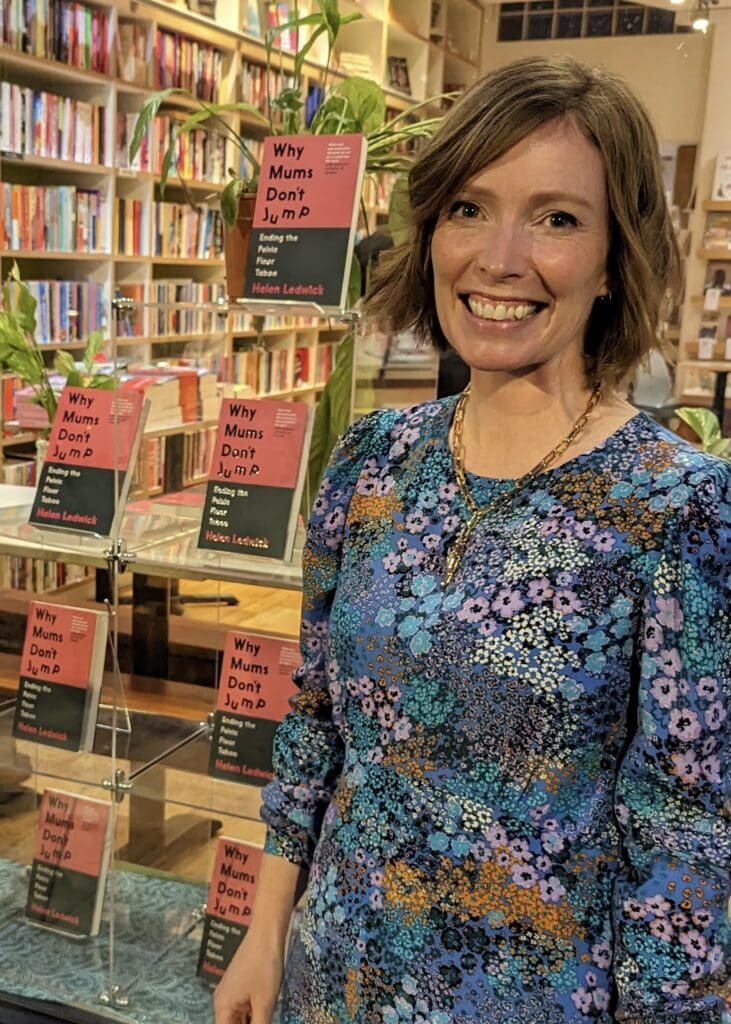
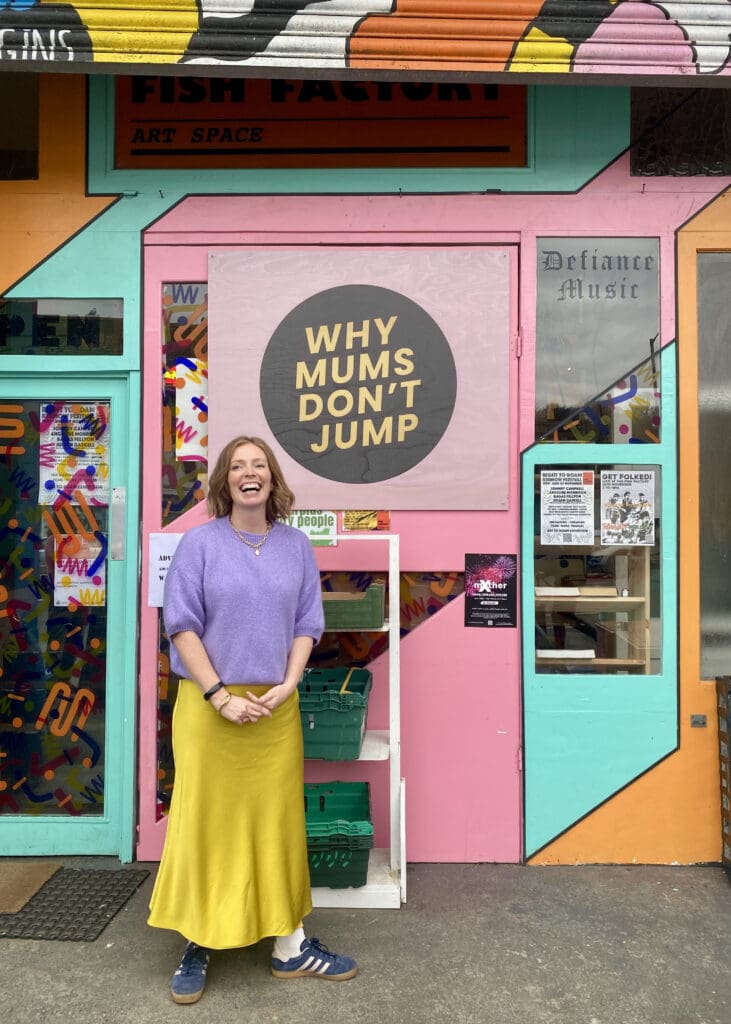
So I launched Why Mums Don’t Jump — a podcast where we could laugh, cry and cringe our way towards recovery and acceptance. A place to find trusted information, and where stonkingly brave women could share their stories. I can’t overstate the power in that — in knowing that you’re not alone. The response has blown me away. Messages started coming in from around the world and they haven’t stopped. Five seasons later, listeners still write to share their stories — sometimes heart-wrenching, sometimes full of hope. They tell me how hearing from others helped them feel less alone; that it inspired them to be more open with loved ones; or that they finally sought medical help after years of suffering in silence. One woman told me she “cried tears of relief into a chicken pie.” Another made her partner listen to every single episode. That made me smile.
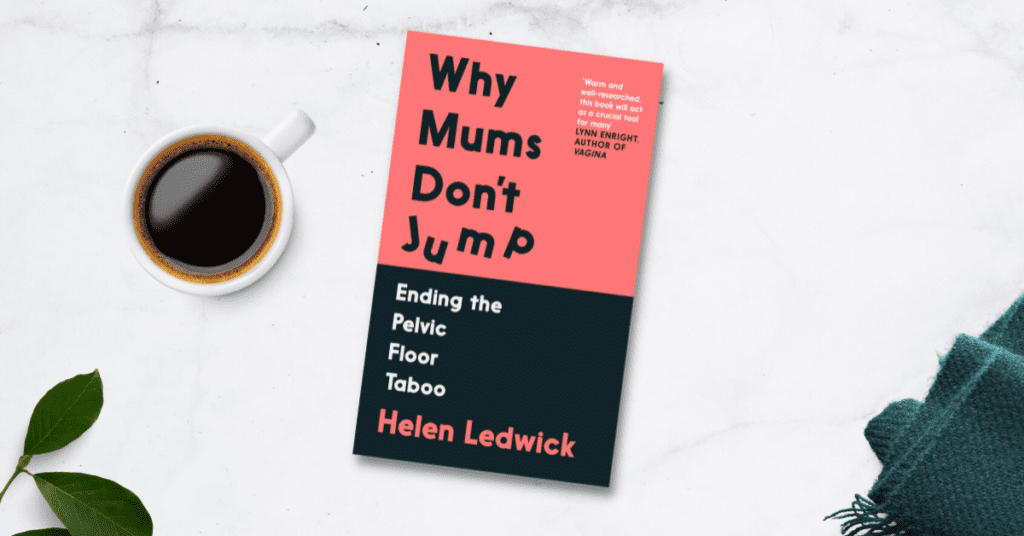
Sitting on the bedroom floor in my sorry state all those years ago, I felt lost. I thought I’d never find a version of me that could run and jump and live my life without being consumed by a condition I was too embarrassed to speak about. I was wrong. I am still a work in progress, but I’ve slowly found ways to manage my symptoms and claw my way back to fitness — from pelvic health physiotherapy to gentle exercise, Pilates to strength training and even running. I ran a 10k race last year.
Speaking up also opened up some interesting conversations about vaginal pessaries — medical devices that sit in your vagina to hold things in place. They come in all shapes and sizes, and I wore one for several months when my son was small. I’m still searching for my perfect fit, but I regularly hear from women who find pessaries a really effective way to reduce symptoms and help them to feel more comfortable. It’s another potential solution to discuss with your GP or physio.
Why Mums Don’t Jump has grown into something magical — a community where sharing stories has genuinely changed lives. What started as a whisper has become a wider conversation. And by chipping away at a stubborn taboo, we’ve become part of something bigger. Women’s health and pelvic floors are finally emerging from the shadows — onto TV programmes, into newspapers and even influencing government policy. The more we talk, the more we drive that change. I’m not saying you have to shout it from the rooftops — but maybe bend someone’s ear. You might be surprised how much better you feel. Because you’re not alone. You’re not broken. And together, we’re ending the taboo.
Helen is a BBC journalist and the founder of Why Mums Don’t Jump — a podcast and community dedicated to ending the taboo around pelvic floor dysfunction after childbirth. She is also the author of Why Mums Don’t Jump: Ending the Pelvic Floor Taboo.
This website uses cookies to improve your experience. Choose what you're happy with.
Required for the site to function and can't be switched off.
Help us improve the website. Turn on if you agree.
Used for ads and personalisation. Turn on if you agree.